Best Time to Visit Ranthambore


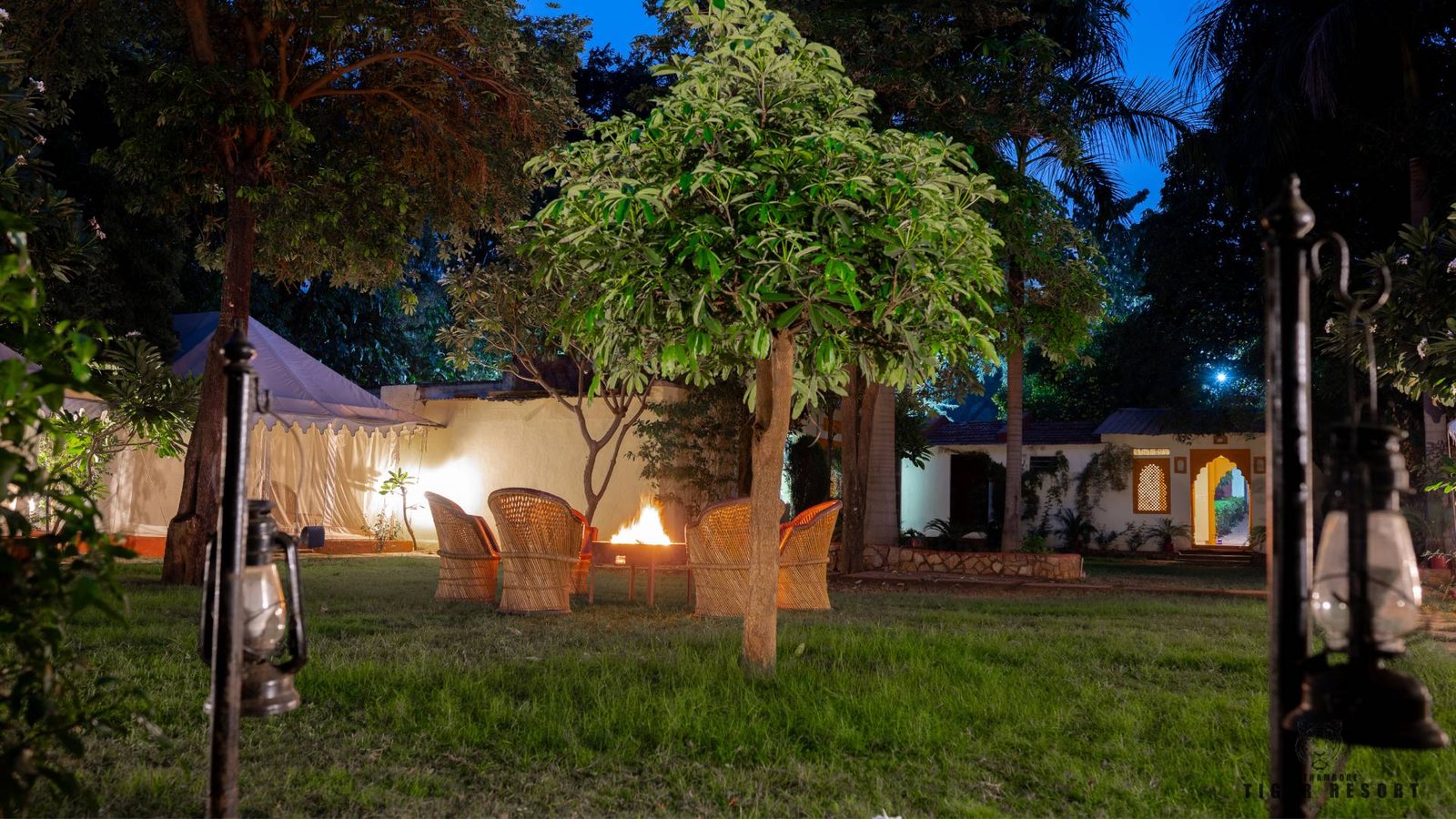
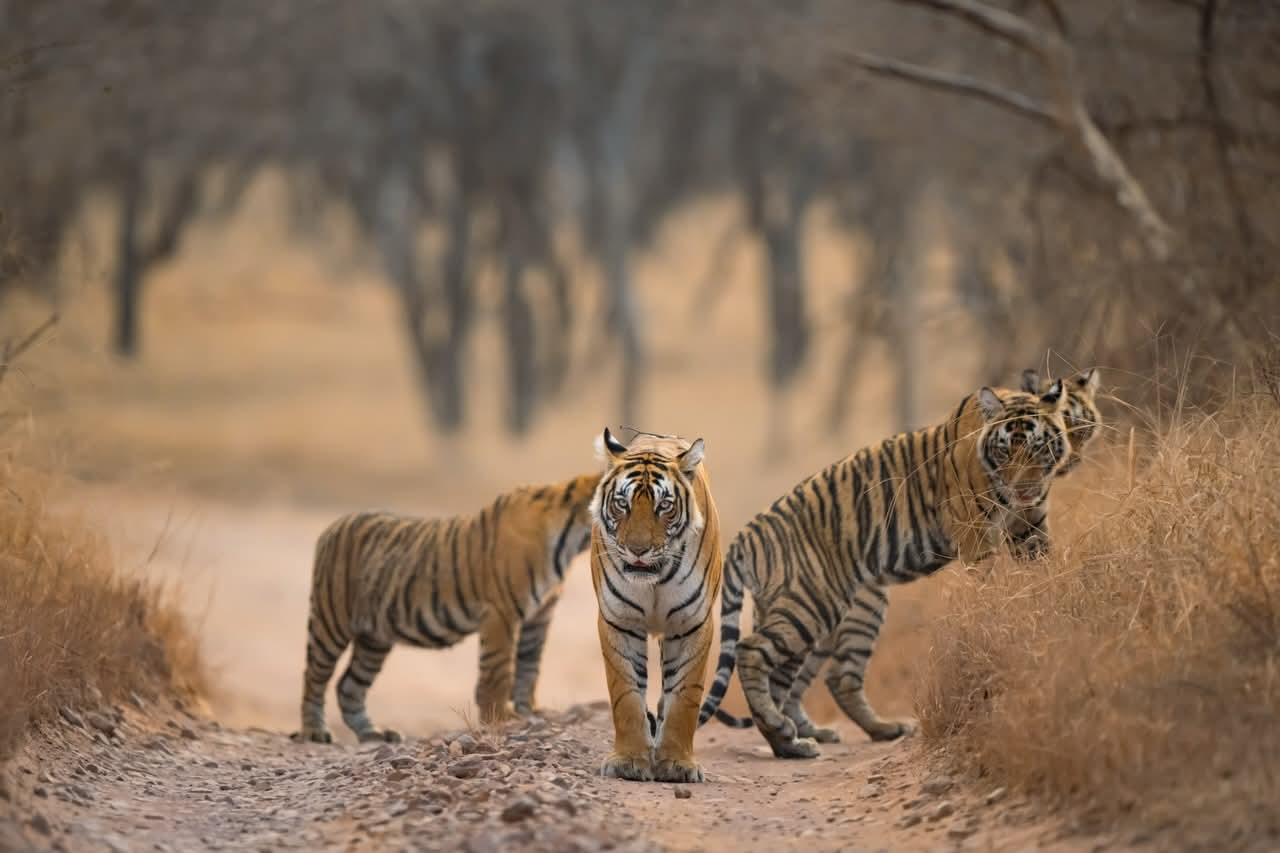
Ranthambore National Park is one of India’s most popular wildlife destinations and is especially famous for its Bengal tiger sightings. Located near Sawai Madhopur in Rajasthan, the park combines dry deciduous forests, lakes, grasslands, rocky hills and historic ruins, creating an exceptional setting for a jungle safari. Rajasthan Tourism describes Ranthambore as one of the best-known wilderness areas for spotting tigers in the wild.
If you are planning a Ranthambore Tiger Safari, choosing the right season can make a major difference to your overall experience. Weather, vegetation, water availability, animal activity and safari timing all influence what you may see during your visit.
Generally, October to June is the main safari season, while July to September is the monsoon period when regular tourism operations in the park are restricted/closed.
For comfortable weather, October to March is usually the most pleasant period. However, if your primary goal is maximum chances of tiger sightings, the hotter months of April to June can be particularly rewarding because wildlife increasingly concentrates around available water sources.
Best Time to Visit Ranthambore for Tiger Safari
October to February – Best Season for Comfortable Safari
October marks the beginning of the main tourist season after the monsoon period. The landscape starts recovering from the rains, temperatures become more comfortable and the forest can look relatively fresh.
October
October is an excellent month for travelers who want pleasant weather without the extreme heat of summer. The forest landscape can be attractive, and wildlife activity can be good.
Early October may still have some residual moisture and greenery, while later October generally becomes drier.
October is particularly suitable for:
* Families with children
* First-time safari visitors
* Wildlife photographers
* Travelers combining safari with sightseeing
* Visitors who prefer moderate temperatures
November and December
November and December are among the most popular months for visiting Ranthambore. The weather becomes cooler, particularly in the mornings.
Morning safaris can be chilly, so carrying a jacket or warm layer is advisable.
The comfortable climate makes it easier to spend several hours inside the forest without suffering from excessive heat.
These months are also excellent for general wildlife photography, birdwatching and exploring the landscape around Ranthambore.
January and February
January can be quite cold during early morning safaris, but the afternoon becomes comfortable. February generally brings slightly warmer conditions while retaining pleasant safari weather.
If you want a comfortable Ranthambore safari experience, winter is an excellent option.
However, winter should not automatically be considered the absolute best period for tiger sightings. Tigers can be seen throughout the safari season, and sightings are never guaranteed.
March – A Great Balance for Wildlife Lovers
March is one of the most interesting months for a Ranthambore tiger safari.
The weather begins getting warmer, but it is usually not as intense as April, May or June. As temperatures rise, animals may become increasingly active around water sources.
March can therefore provide an excellent combination of:
* Relatively comfortable weather
* Increasing wildlife activity
* Good photography conditions
* Attractive forest landscapes
* Potential tiger sightings
If you want a middle ground between the cool winter season and extremely hot summer, March is worth considering.
April to June – Best Period for Serious Tiger Spotting
For travelers whose number-one objective is seeing a tiger, the summer season deserves special attention.
April, May and June can be extremely hot in Rajasthan. Daytime temperatures can become uncomfortable, particularly in May and June. But the heat also changes animal behavior.
As natural water sources become limited, animals increasingly depend on remaining water bodies. Tigers and other wildlife may be seen around lakes, ponds and other water sources.
This concentration can improve opportunities for wildlife observation.
April
April is often a good compromise between tiger activity and manageable heat.
The mornings can be comparatively comfortable, while afternoons become hotter. Vegetation also begins drying, which can improve visibility through parts of the forest.
May
May is among the hottest months, but it can be highly rewarding for tiger enthusiasts.
The dry forest and limited water availability can make wildlife easier to locate around water sources. However, visitors should be prepared for intense heat.
Carry:
* Sunglasses
* Hat or cap
* Sunscreen
* Water
* Light cotton clothing
* Comfortable footwear
* Camera protection where necessary
June
June can also offer good wildlife viewing opportunities, but temperatures remain extremely high.
If you can handle the heat, June can be worthwhile for a dedicated tiger safari. However, travelers who dislike extreme temperatures may prefer March or October–February.
Is Summer Better Than Winter for Tiger Sightings?
This is one of the most common questions asked by travelers planning a Ranthambore safari.
The answer is **not necessarily**.
Winter offers comfortable weather, and wildlife can remain active throughout the day. Summer, on the other hand, can make animals easier to locate because water becomes a major factor in their movement.
Several Ranthambore travel sources highlight April to June as a strong period for tiger sightings because animals may gather around water sources.
Therefore:
For comfortable travel:** October to March
For a tiger-focused trip:** April to June
For a balance of both:** March and October can be excellent choices.
Morning Safari vs Afternoon Safari
Choosing between a morning and afternoon safari is another important part of planning your trip.
Ranthambore generally operates two safari shifts each day, with timings changing according to sunrise and sunset. Current published schedules show morning and afternoon timings varying through the October–June season.
Morning Safari
Morning safaris are especially attractive during the warmer months.
The temperature is lower, the forest is quieter and many animals may be active after the night.
Morning safaris are excellent for:
* Tiger tracking
* Birdwatching
* Deer sightings
* Cooler temperatures
* Photography
During summer, an early morning safari can be particularly comfortable compared with the afternoon.
Afternoon Safari
Afternoon safaris can also be highly rewarding.
During winter, animals may become active in the afternoon as temperatures rise. During summer, wildlife may move toward water sources as the day progresses.
The afternoon light can also create beautiful conditions for wildlife photography.
The key point is that **there is no guaranteed “best” safari shift for tiger sightings**. Tiger movement is unpredictable.
Best Month for Tiger Photography in Ranthambore
If photography is your main objective, March to June can provide interesting opportunities because the forest becomes progressively drier and visibility may improve in open areas.
Summer also creates dramatic photographic conditions around water bodies.
However, photography in May and June requires preparation because of intense sunlight and high temperatures.
Winter can provide beautiful soft morning light and comfortable shooting conditions, making October to February excellent for photographers who want to photograph a wider variety of wildlife.
Ranthambore is home to much more than tigers. Rajasthan Tourism notes the presence of species including sloth bear, leopard, caracal, jackal, fox, hyena, mongoose, sambar, chital, nilgai, langur and many bird species. ([Rajasthan Tourism][1])
Why Tiger Sightings Are Never Guaranteed
It is important to understand that booking a safari does not guarantee a tiger sighting.
Tigers are territorial and can move through large areas of the forest. Their location changes depending on:
* Water availability
* Prey movement
* Temperature
* Time of day
* Territory
* Vegetation
* Weather
* Individual tiger behavior
Experienced guides look for clues such as alarm calls, pugmarks and other signs of tiger movement. Even with these clues, the final sighting depends on nature.
For this reason, visitors should enjoy the entire safari experience rather than focusing exclusively on finding a tiger.
A leopard, sloth bear, crocodile, sambar deer, chital, nilgai or an impressive bird can make the safari memorable as well.
How Many Safaris Should You Take?
If your main purpose is to see a tiger, consider taking **multiple safaris rather than relying on a single ride**.
One safari may be affected by weather, animal movement or simply bad luck. Multiple safaris give you opportunities to experience different conditions and potentially different zones.
For example, a three-safari itinerary could include:
Day 1: Afternoon Safari
Day 2: Morning Safari
Day 3: Morning or Afternoon Safari
A longer stay gives you even more flexibility.
Ranthambore has multiple safari zones, and the allocated zone can influence the wildlife experience. Visitors should remember that no particular zone can guarantee a tiger sighting.
How Far in Advance Should You Book?
Ranthambore is a popular wildlife destination, especially during peak tourist periods.
Rajasthan Tourism itself recommends making reservations in advance because of the park's popularity. ([Rajasthan Tourism][1])
If you are traveling during:
* Christmas holidays
* New Year
* Winter weekends
* School holidays
* March–June tiger-focused season
it is wise to plan your safari and accommodation well in advance.
Advance planning can also give you more flexibility when selecting your travel dates and safari preferences.
What Should You Wear on a Ranthambore Safari?
Your clothing should depend on the season.
Winter
Wear layers because early mornings can be cold.
Recommended:
* Jacket
* Sweater
* Full trousers
* Comfortable shoes
* Cap
* Sunglasses
Summer
Choose lightweight, breathable clothing.
Recommended:
* Cotton clothes
* Light-colored clothing
* Hat/cap
* Sunglasses
* Sunscreen
* Comfortable shoes
Avoid excessively bright clothing if possible and choose comfortable neutral shades suitable for a wildlife environment.
Best Time for a Family Trip to Ranthambore
Families traveling with children or elderly members may prefer October to March, when temperatures are generally more comfortable.
The extreme summer heat can make a three-hour safari physically demanding, particularly for young children and older travelers.
October, November, February and March can be especially attractive for family trips.
Families should also choose accommodation carefully and allow enough rest between safari rides.
Best Time for Birdwatching
Ranthambore is not only a tiger destination. It is also an excellent location for wildlife and bird enthusiasts.
Winter, particularly November to February, is a popular period for birdwatching because migratory birds can add to the diversity of the park.
If your goal is to combine tiger sightings with birdwatching and comfortable weather, winter can be an excellent choice.
Ranthambore Safari Timings
Safari timings change throughout the year according to daylight hours.
A commonly published schedule is approximately:
October: Morning around 6:30/7:00 AM; afternoon around 2:30 PM
November–January: Morning around 7:00 AM; afternoon around 2:00 PM
February–March: Morning around 6:30 AM; afternoon around 2:30 PM
April–May: Morning around 6:00 AM; afternoon around 3:00 PM
May–June: Morning around 6:00 AM; afternoon later in the afternoon
Exact timings can change, so travelers should check the latest schedule before their safari. ([Ranthambore Tiger Park][3])
Ranthambore Safari: Gypsy or Canter?
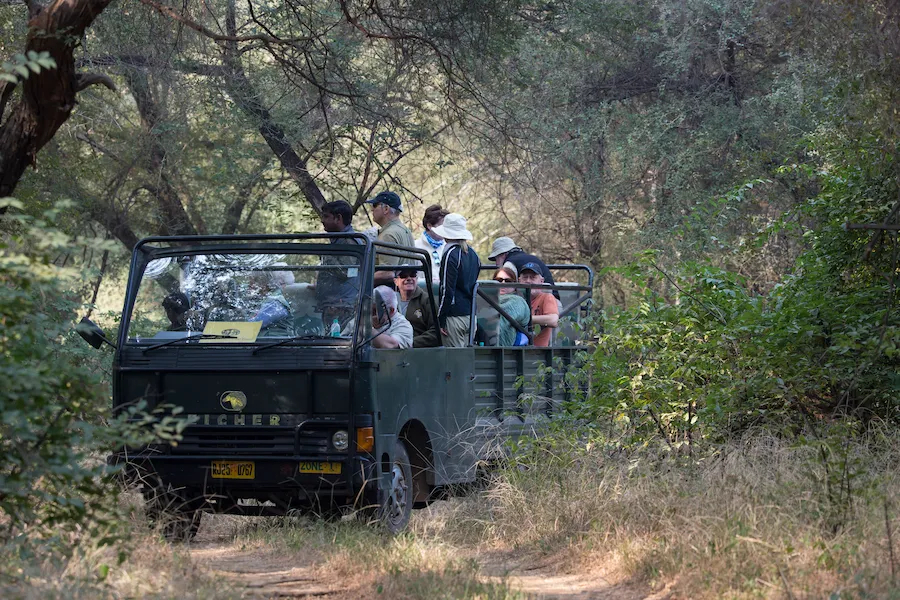
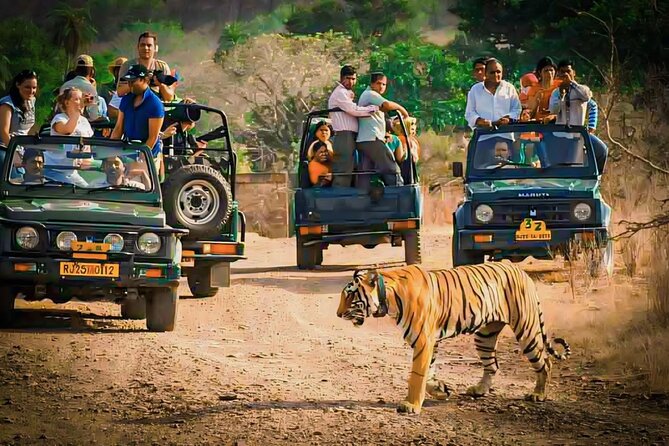
There are two common safari vehicle options: **Gypsy and Canter.
A Gypsy is a smaller open-sided safari vehicle and can accommodate a smaller group. It is popular among couples, families and wildlife photographers who prefer a more intimate safari experience.
A Canter is a larger safari vehicle with more seats and can be a suitable option for larger groups or travelers looking for a different safari experience.
Both vehicles operate within the designated safari system, and **neither vehicle guarantees a tiger sighting**.
The quality of the experience depends on factors such as the season, zone allocation, guide, weather and animal movement.
Tips to Increase Your Chances of Seeing a Tiger
Although no strategy can guarantee a sighting, these tips can improve your overall safari experience:
1. Take Multiple Safaris
More safari drives mean more opportunities.
2. Consider Different Shifts
Try both morning and afternoon safaris if your schedule allows.
3. Visit During Summer
If tiger sightings are your highest priority and you can tolerate the heat, April–June can be rewarding.
4. Listen to Alarm Calls
Guides often use alarm calls from deer, langurs and other animals to track possible predator movement.
5. Follow Your Guide's Instructions
Experienced guides understand animal behavior and forest routes.
6. Stay Patient
A tiger may appear after several hours of waiting—or may remain hidden.
7. Keep Your Camera Ready
Wildlife sightings can happen suddenly.
Final Verdict: When Should You Visit Ranthambore?
The best time to visit Ranthambore for a Tiger Safari depends on your priorities.
If you want pleasant weather, comfortable safaris and a great overall wildlife experience, choose October to March.
If your primary goal is tiger sightings, consider April to June, when high temperatures and shrinking water availability can concentrate wildlife around water sources.
If you want a balance between comfortable weather and strong wildlife opportunities, March is an excellent choice.
Most importantly, remember that Ranthambore is a wild ecosystem. A tiger sighting is never guaranteed, regardless of the season. The real beauty of a Ranthambore safari lies in experiencing the forest, its landscapes, birds, deer, crocodiles, leopards and other wildlife along with the possibility of encountering a Bengal tiger.
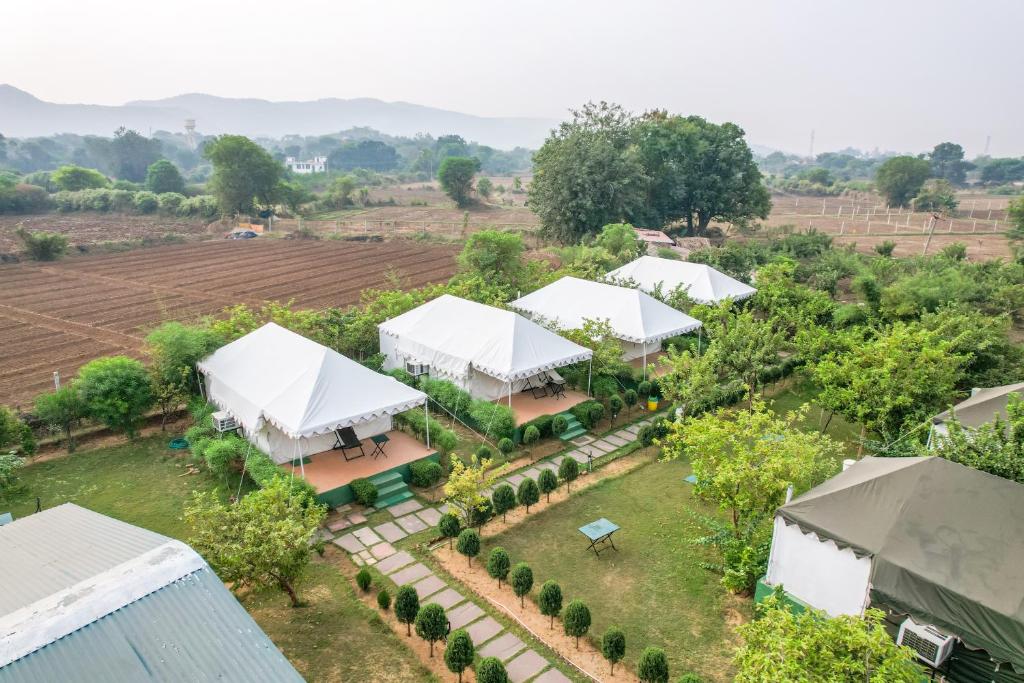
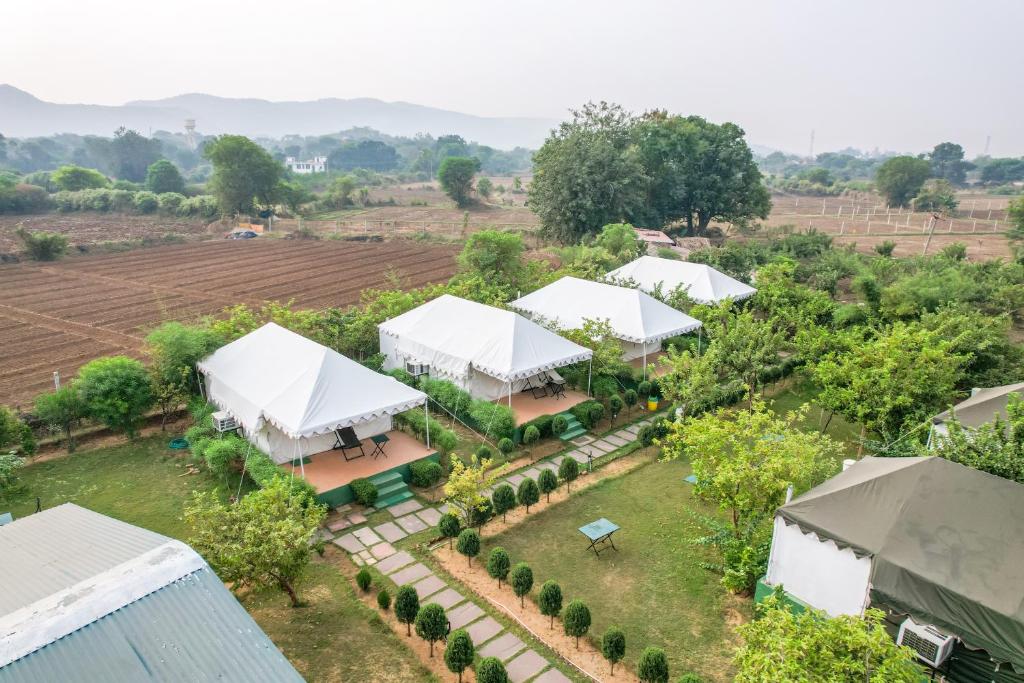
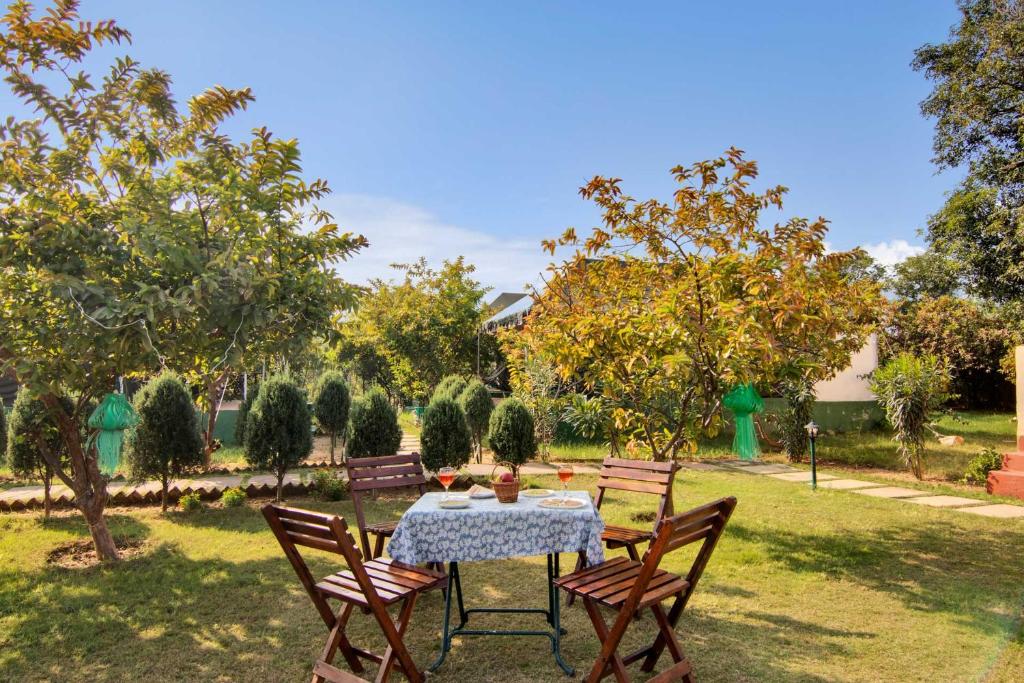
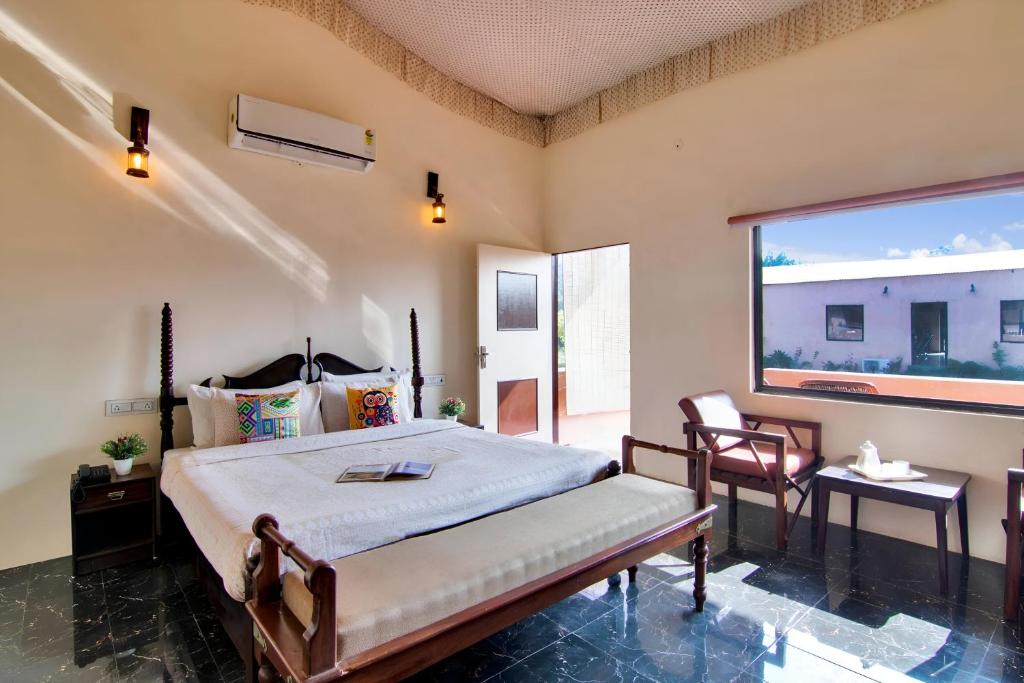
For the best experience, plan your Ranthambore Tiger Safari, accommodation and transportation in advance, especially during the busy October–March period. Rajasthan Tourism confirms that Ranthambore is accessible by rail and road and offers accommodation options around Sawai Madhopur.
Contact Us
 Ranthambhore Rd, opposite to Maharaja Palace, Sawai Madhopur, Rajasthan 322001
Follow Us